| Field and Swamp: Animals and Their Habitats |
|
Click on arrows to show pull-down menus:
Net-winged Insects (Neuroptera order, infraclass Neoptera, subclass Pterygota, class Insecta, subphylum Hexapoda, phylum Arthropoda, kingdom Animalia, domain Eukarya)
The Neuroptera are economically important predaceous insects with hollow, pointed mandibles used to seize prey and suck their bodily fluids out. They experience complete metamorphosis. They are terrestrial even as larvae. As adults, they have four large wings which they fold up when not flying; these wings have an uniform network of veins.
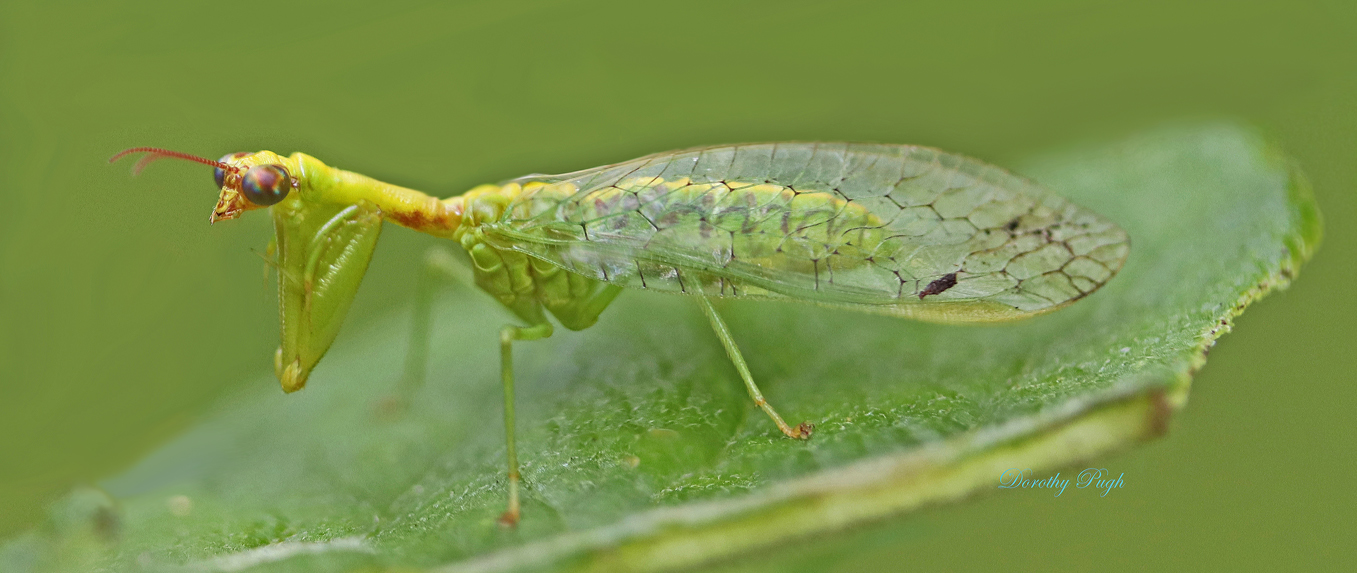
Mantid Lacewings (Mantispidae family, Mantispoidea superfamily)
|
| Mantidfly, Durham, NC, 7/15/16 |
Lacewings (Hemerobiiformia suborder)
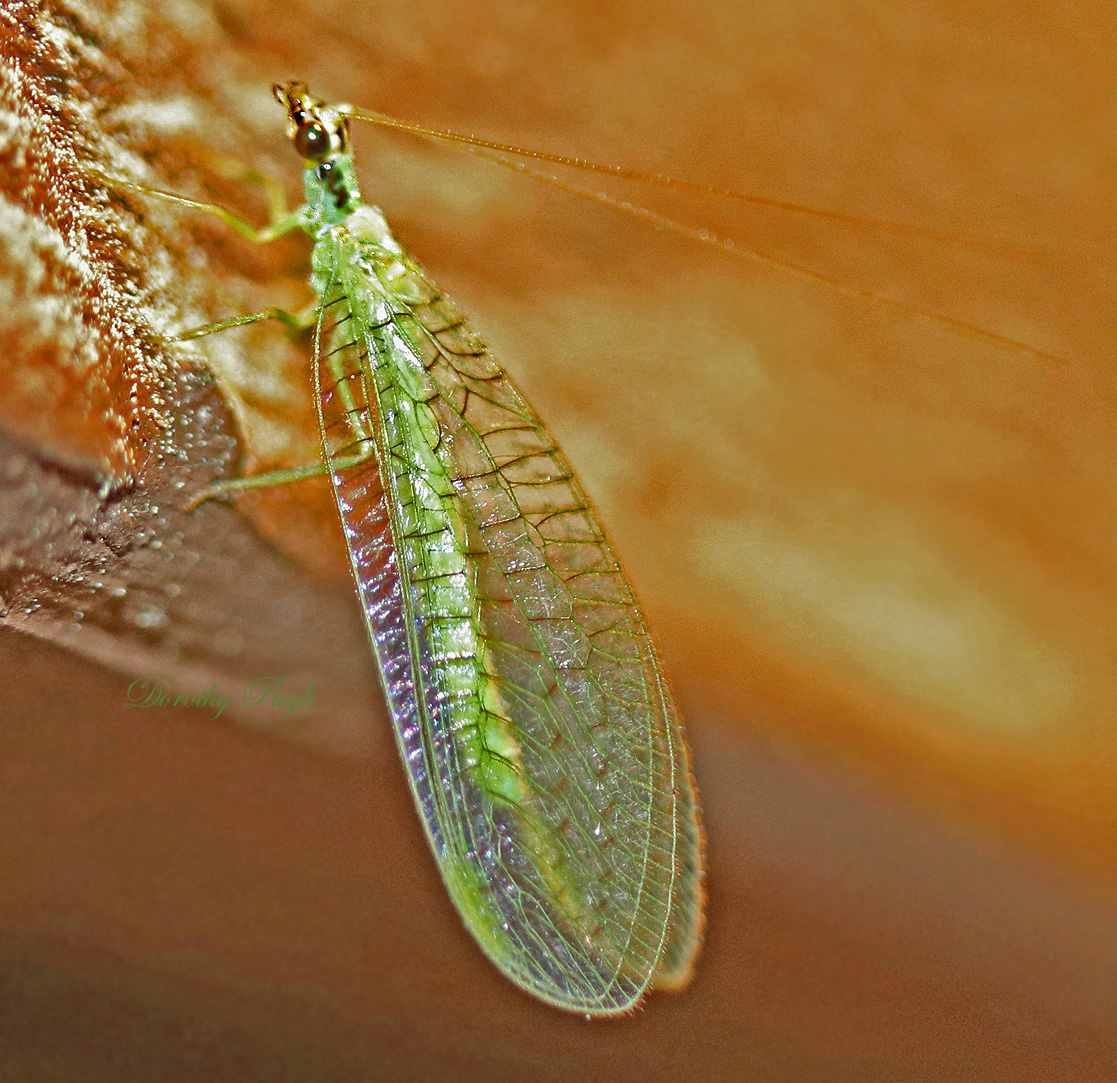
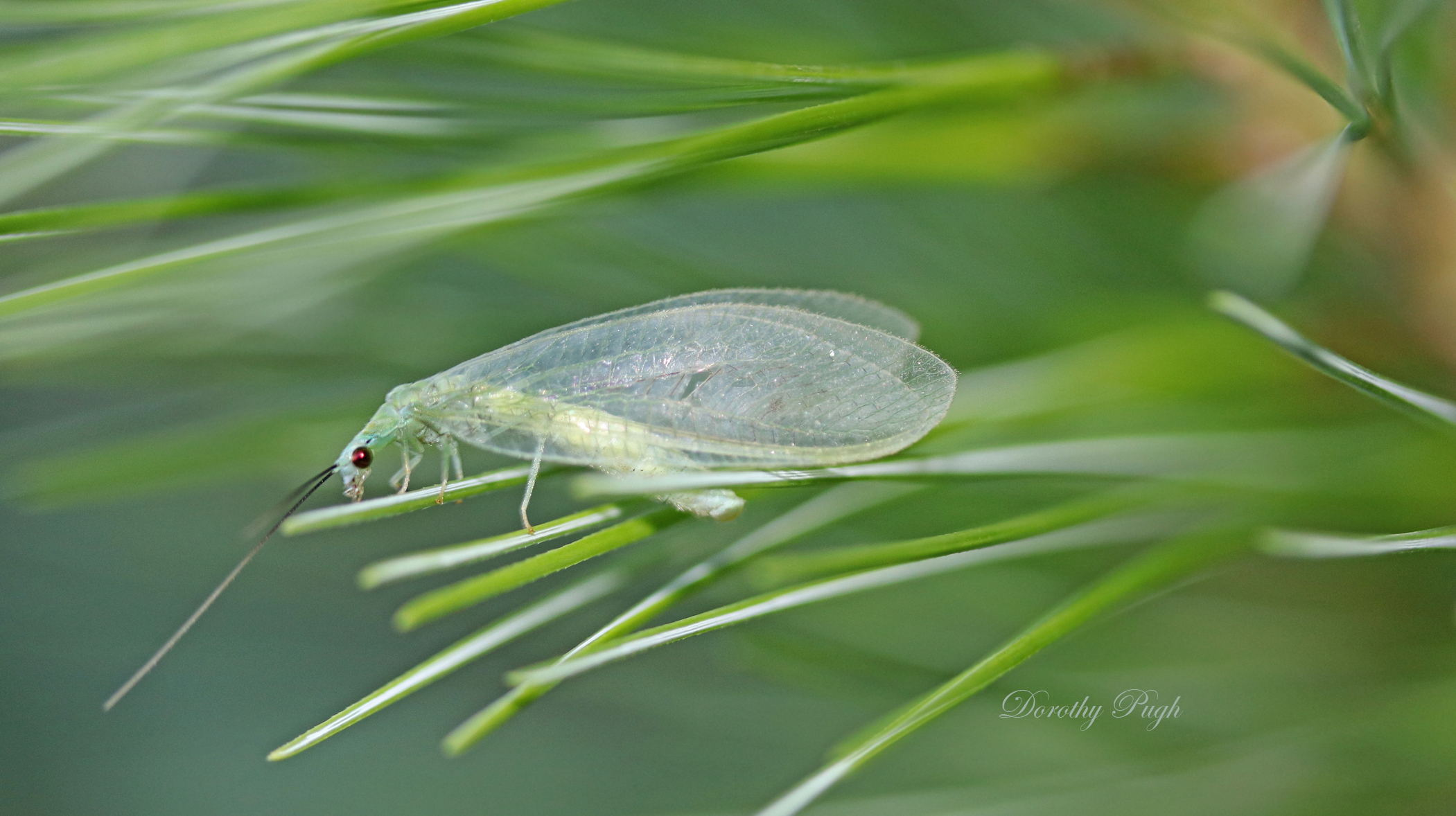
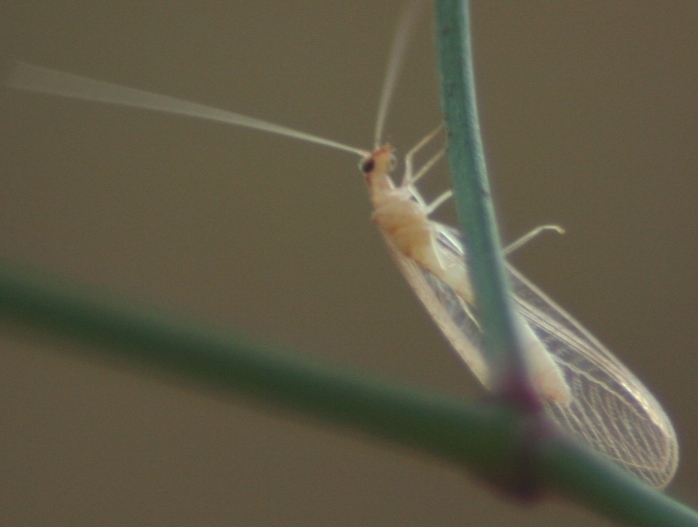
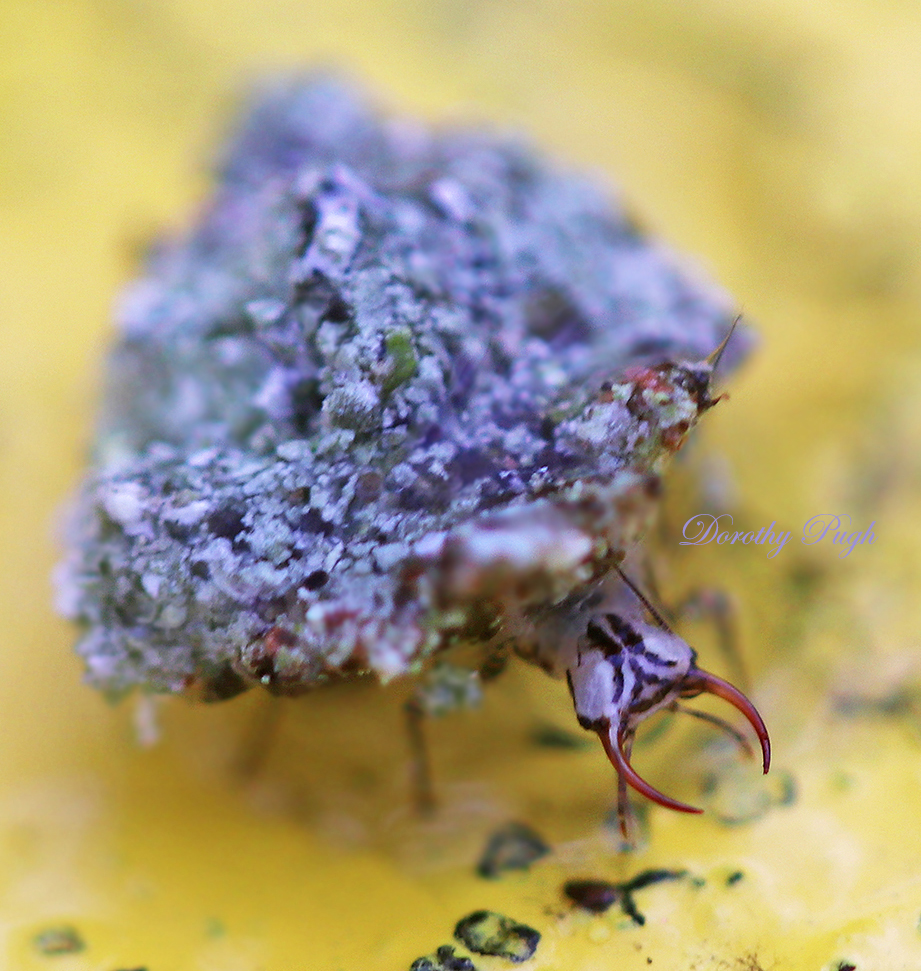
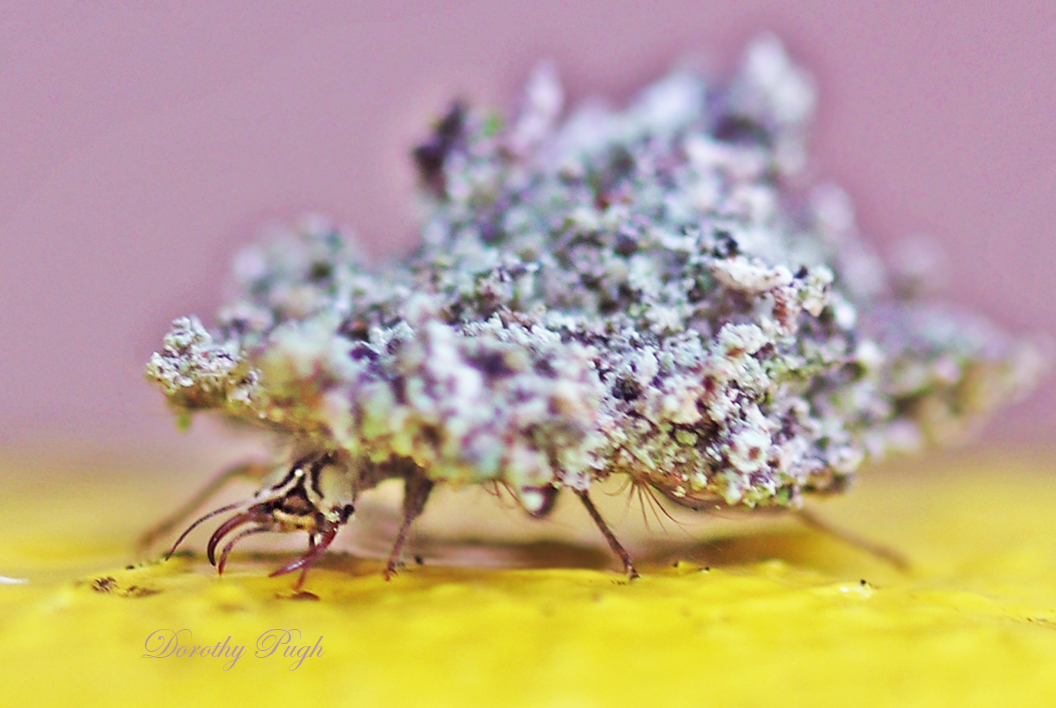
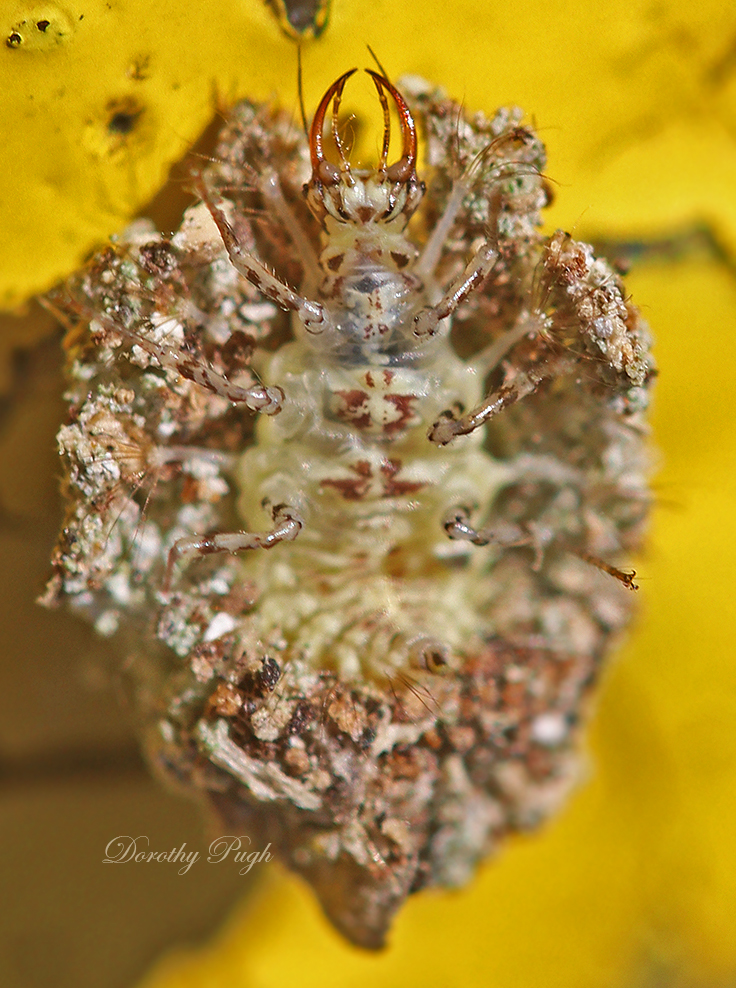
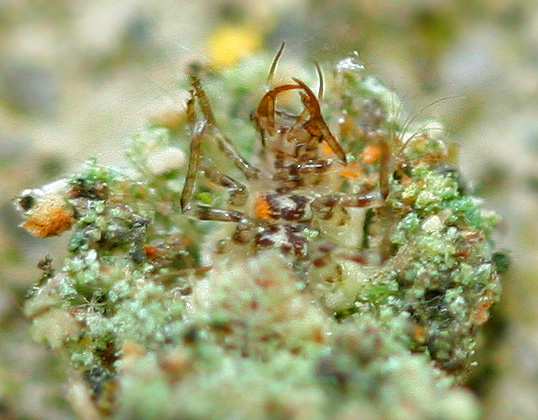
These are photos of Green and Brown Lacewings. Apparently some Green Lacewing species larvae are what Eisner (2003) calls "trash carriers", using plucked plant leaf trichomes to hide themselves from predators (usually True Bugs). Brown lacewing do not do this.
But here all the "trash carriers" are green lacewing larvae, and the other larvae are brown lacewings.
Green Lacewings (Chrysopidae family)
 |
 |
 |
 |
 |
 |
 |
| Green Lacewing, Durham, NC, 6/12/18 | Green Lacewing, Boone, Watauga County, NC, 7/6/16 | Green Lacewing, Durham, NC, 10/16/07 | Green Lacewing, Durham, NC, 7/3/07 | Green Lacewing, Durham, NC, 12/12/08 | Green Lacewing, Durham, NC, 12/29/05 | Green Lacewing, Durham, NC, 5/25/06 |
 |
 |
 |
 |
 |
 |
|
| Green lacewing larva, Durham, NC, 11/30/20 | Green lacewing larva carrying "trash", Durham, NC, 1/15/20 | Green lacewing larva, Durham, NC, 1/8/20 | Green Lacewing larva, Durham, NC, 11/17/16 | Green lacewing nymph, upside down, Durham, NC, 6/2/16 | Green lacewing larva, Durham, NC, 7/5/17 |
 |
 |
|
 |
 |
 |
 |
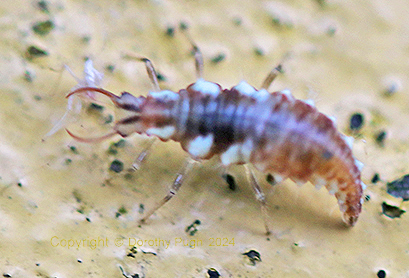
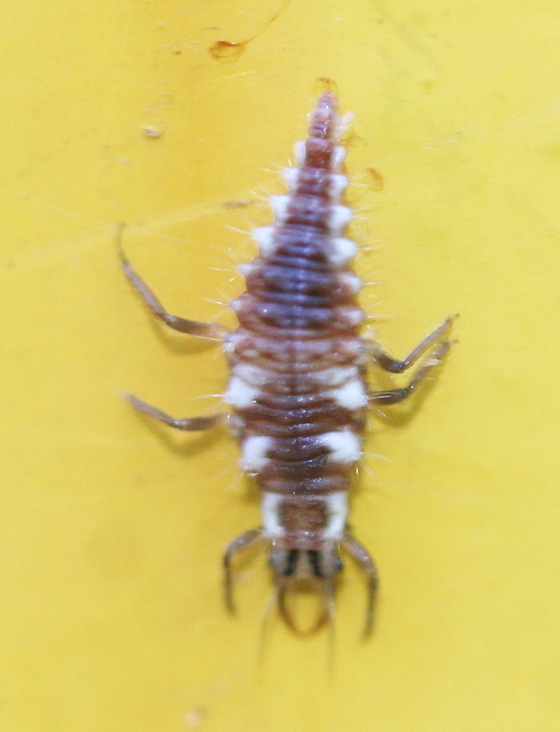
| Red-lipped Green Lacewing (Chrysoperla rufilabris) larva on goldenrod, Boone, Watauga County, NC, 8/3/12 | Red-lipped Green Lacewing (Chrysoperla rufilabris) larva, Durham, NC, 5/7/24 | Red-lipped Green Lacewing (Chrysoperla rufilabris) larva, Durham, NC, 5/29/15 | Red-lipped Green (Chrysoperla rufilabris) lacewing larva on Hophornbeam male catkin, Durham, NC, 5/13/25 | Red-lipped Green Lacewing (Chrysoperla rufilabris) larva, Boone, Watauga County, NC 8/7/06. This tiny insect was barely visible to the naked eye. | Red-lipped Green Lacewing (Chrysoperla rufilabris) larva, Durham, NC, 11/5/19 | Red-lipped Green Lacewing (Chrysoperla rufilabris) larva, Mason Farm Biological Reserve, Orange County, NC, 5/20/11. |

|
 |
 |
| Green lacewing larva, Durham, NC, 6/19/14 | OUCH! Green lacewing larva actually doing a little damage to a suntanned part of my thumb. Durham, NC, 6/11/09. | Green lacewing larva pinching my fingertip, Durham, NC, 6/11/09. These trash-carrying larvae are always trying to pick up a little more matter for their camouflaging burden, which includes everything from leaf trichomes (hairlike projections) to dead insects. |
 |
 |
 |
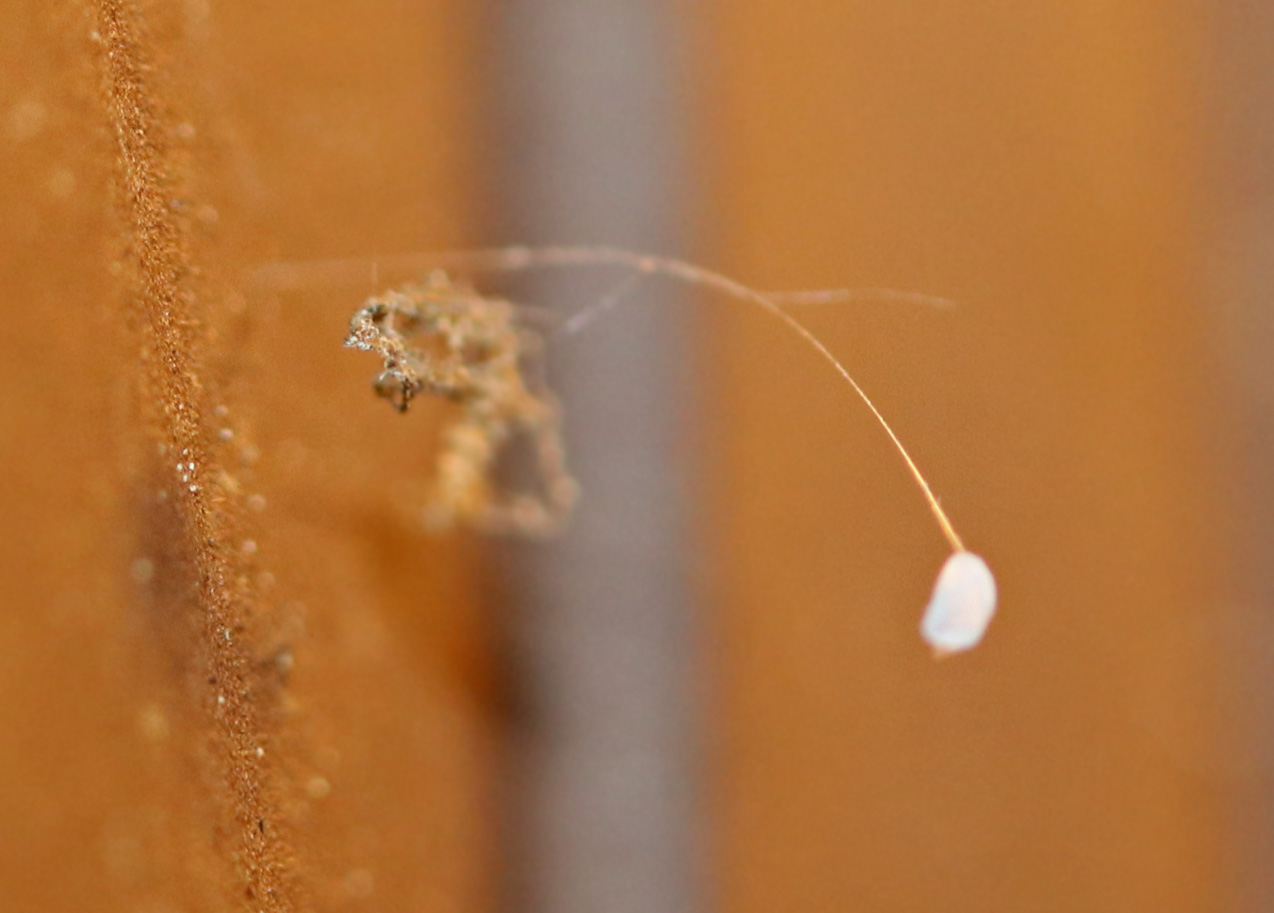
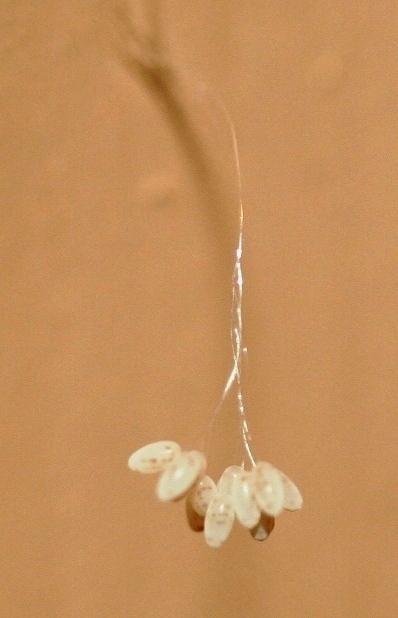
| Lacewing egg, planted on my front door at night, Durham, NC, 7/18/17 | Lacewing eggs, Durham, NC, 7/14/09 | Lacewing eggs. Same place, Durham, NC, 6/27/09 |
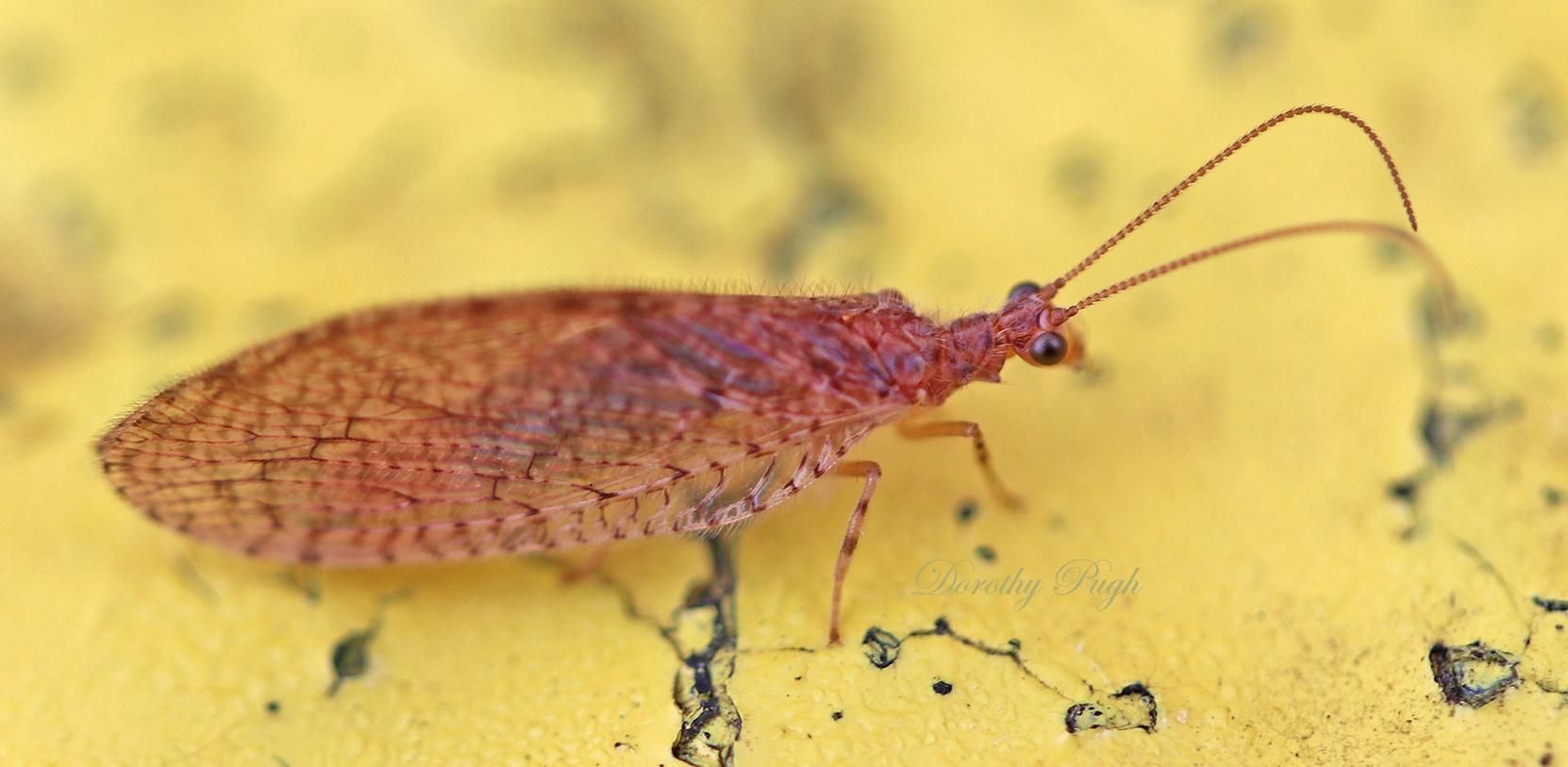
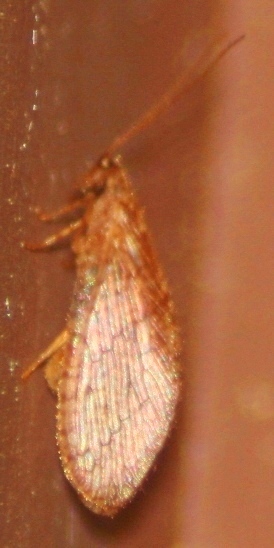
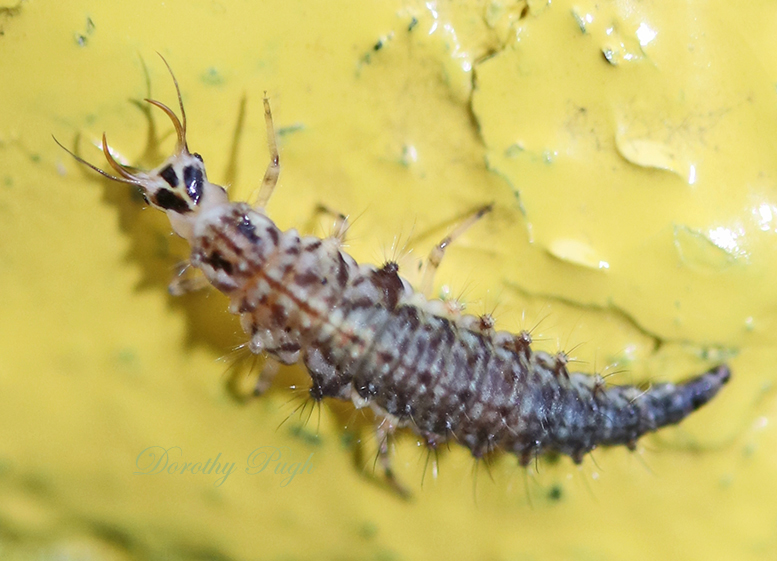
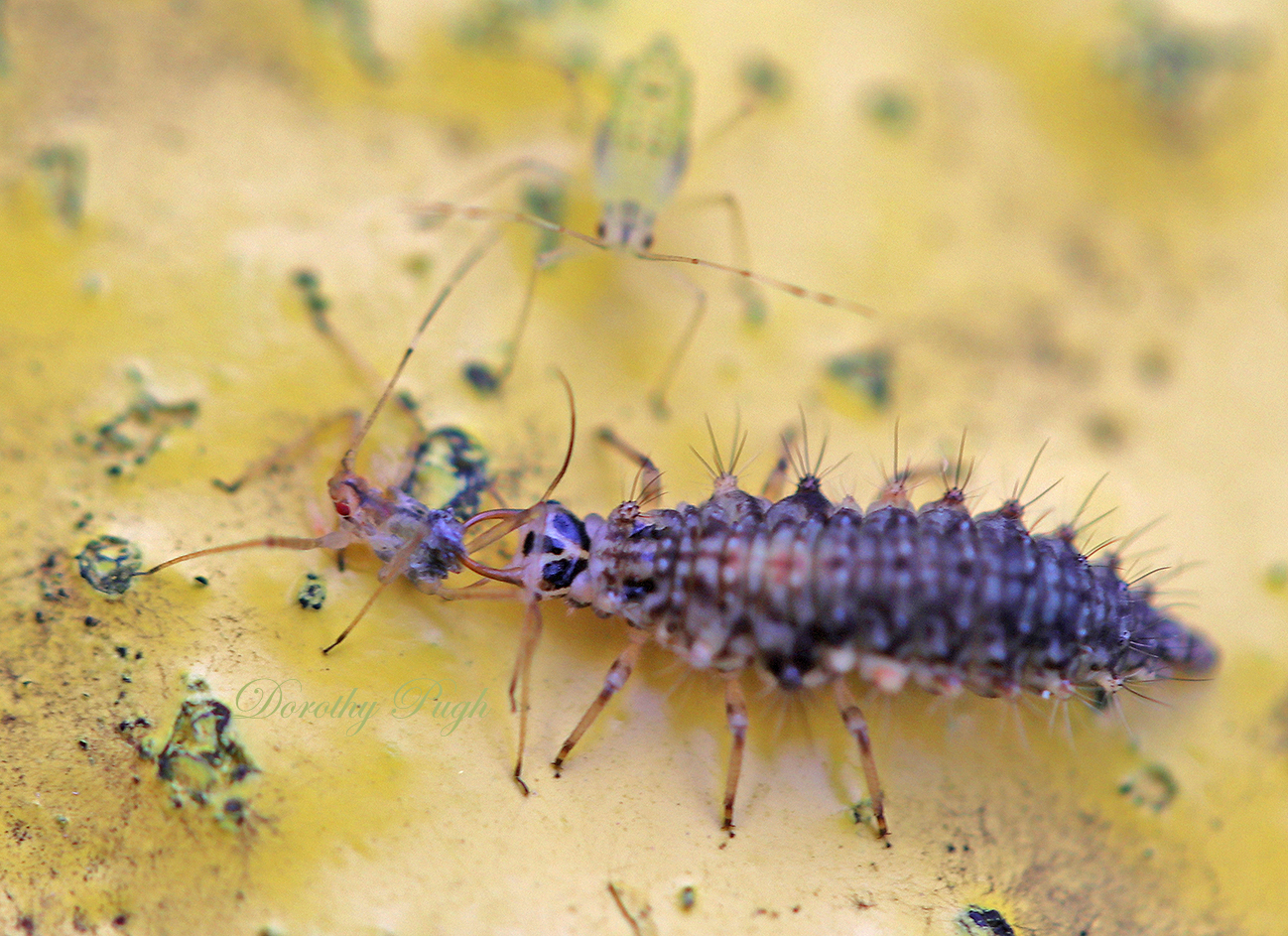
Brown Lacewings (Hemerobiidae family)
 |
 |
.JPG) |
| Brown Lacewing (Micromus posticus), Durham, NC, 11/22/20 | Brown Lacewing, Durham, NC, 5/1/07 | Brown Lacewing (Micromus subanticus), Penny's Bend Nature Preserve, Durham, NC, 4/4/09 |
 |
 |
 |

|
 |
|
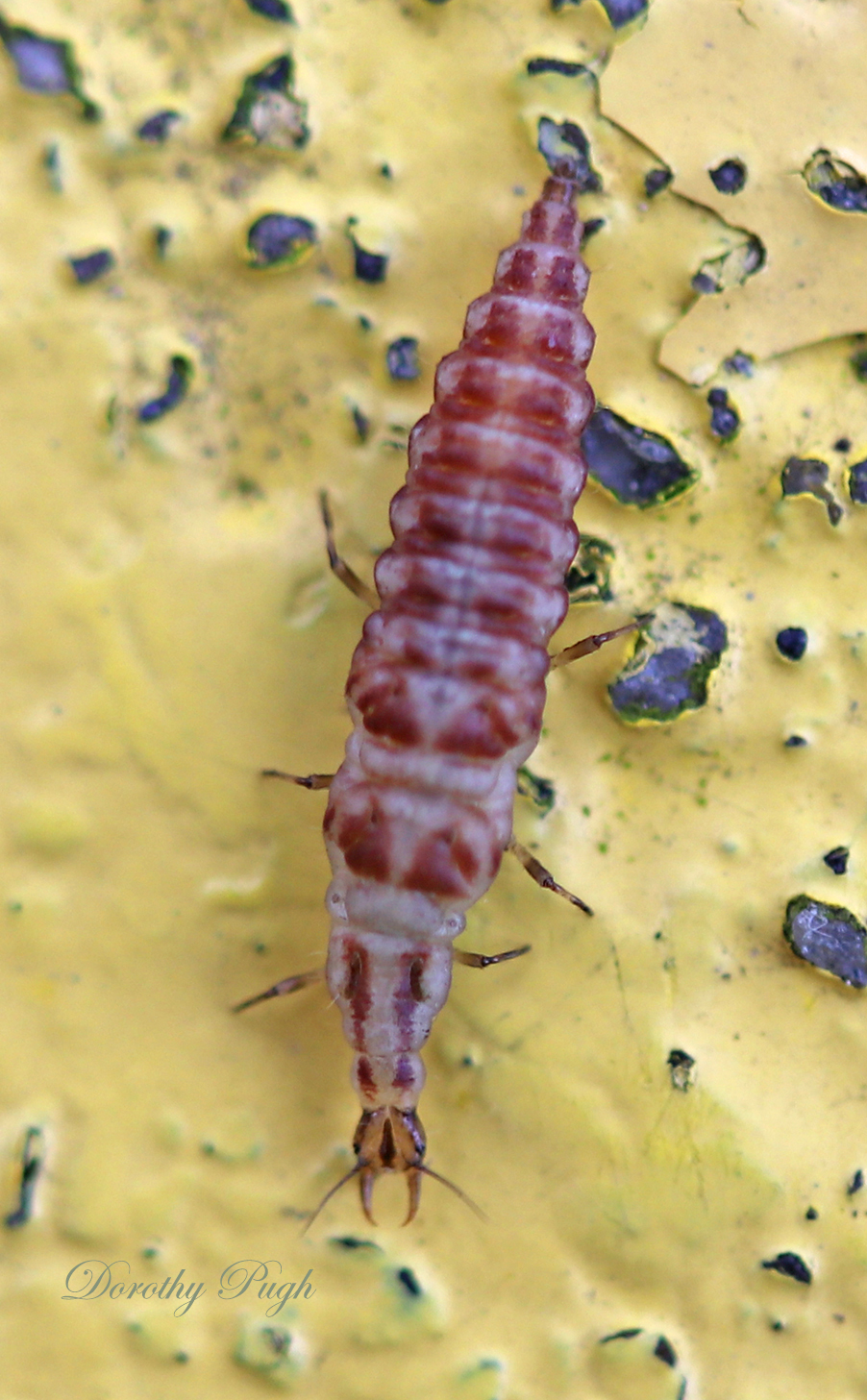
| Brown lacewing larva, Durham, NC, 11/26/20 | Brown lacewing larva attacking an aphid while another aphid looks on. Durham, NC, 11/26/20 | Brown lacewing larva with aphid prey, Durham, NC, 11/4/22 | Brown lacewing larva with (pale) aphid prey, Durham, NC, 11/15/13 | Brown lacewing (Hemerobius genus) larva, Durham, NC, 1/3/23 |
Antlions (Myrmeleontidae family, Myrmeleontoidea superfamily, Myrmeleontiformia suborder)
 |
 |
|||
| Antlion (Vella americanum), between 2 and 3 inches long. Great camouflage! I saw the antlion flying to the tree, its wings sparkling in the sun. | Antlion (Vella fallax), Carolina Beach State Park, New Hanover County, NC, 8/7/18 |
REFERENCES
Eisner, T. (2003) For Love of Insects. Cambridge, MA:Belknap Press of Harvard U. Press.
Newton, Blake (2008) Lacewings. University of Kentucky. Retrieved 5 Nov 2019 from https://www.uky.edu/Ag/CritterFiles/casefile/insects/lacewings/lacewings.htm
© 2006-2020 Dorothy E. Pugh
Birds Frogs & Toads Lizards Snakes Turtles Fish
Butterflies Moths Beetles Dragonflies Damselflies Crustaceans Mollusks
True Bugs True Flies Spiders Ticks & Mites
Cicadas & Hoppers Bees, Wasps & Ants Grasshoppers, Katydids & Crickets
Megaloptera, Neuroptera, Mecoptera